
They said it wasn’t possible: Matt Pitkin’s journey to the GB sideline
Matt Pitkin never really believed in shortcuts.
Not because he didn’t want them, but because, in his words, there simply weren’t any available.
So instead, the new Great Britain Men’s Assistant Coach built his career the long way: through early responsibility, early mistakes and an early understanding that coaching - not playing - was where his future lay.
Now, at 37, he finds himself on the GB senior men’s staff for the first time, part of a programme he has followed closely for more than a decade.
It is, by his own admission, not something he would have believed if you’d told him when he started out.

“I’m 37 now and if you’d told me when I started this journey 20 years ago I’d be sat here now in this environment, I don’t think I’d have believed you,” Pitkin said.
“When I was young, people told me it wasn’t possible to be a professional basketball coach in the UK.
“But I’m the sort of person that if you tell me I can’t do something, I’m going to try even harder to make it happen.”
The journey began in Beccles, near Norwich, where basketball was not the obvious path.
“I started playing when I was 13 just to try something new,” he said.
“I was playing football before that like most British kids, but I fell in love with basketball as soon as I stepped on the court.
“I realised pretty quickly I wasn’t going to be a professional player. But despite what I’d been told, I felt being a professional coach was an achievable goal, and here I am.”
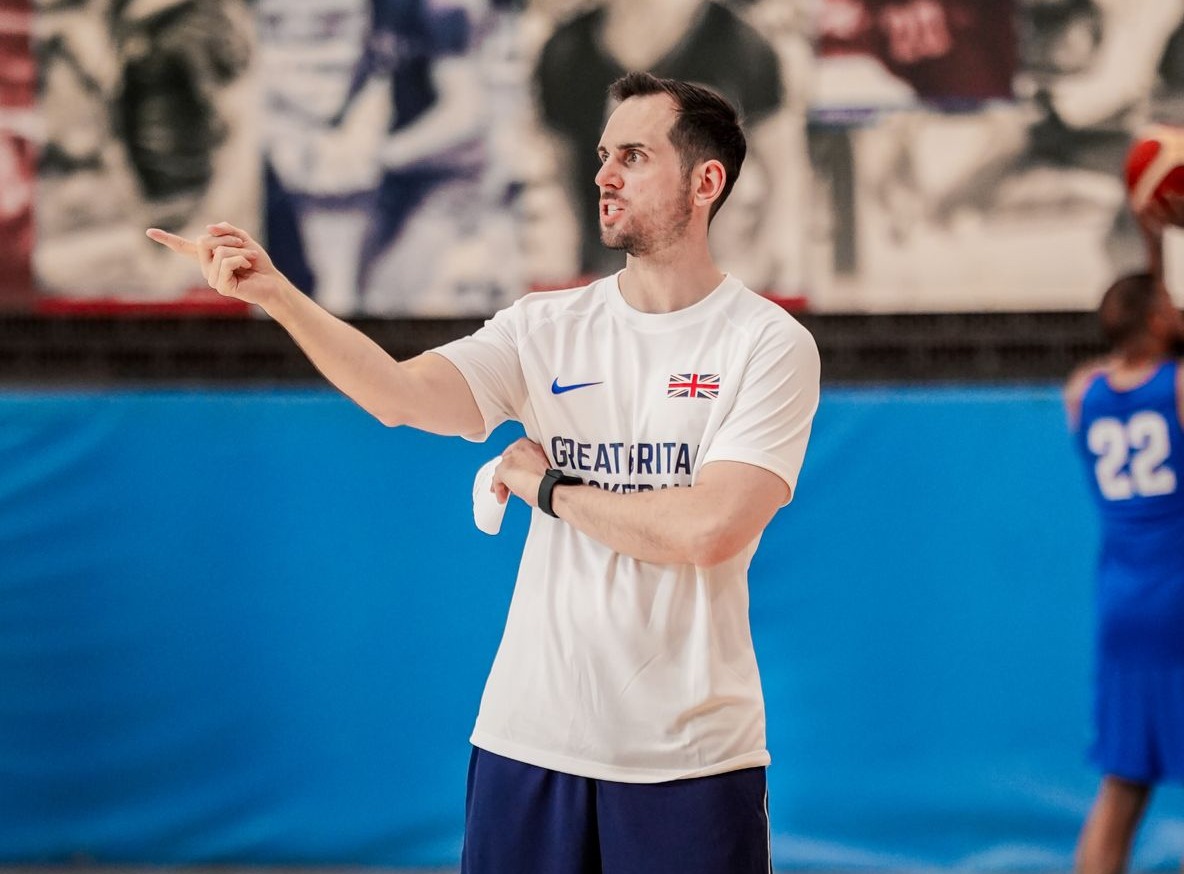
That early clarity set him apart.
While many players are still chasing playing careers into their twenties, Pitkin was already pivoting, already watching the game differently, already thinking in terms of structure, systems and people rather than scoring and stats.
“I was maybe 16 when I decided I wanted to pursue coaching,” he explained.
“I played a lot where I lived, but when I started playing teams from outside the area I realised how much higher the level was than I felt I could reach.
“So I pivoted to coaching, and thankfully things fell into place to allow me to pursue that.”
That early transition meant that by the time most coaches are beginning their first steps in senior environments, Pitkin had already been leading teams.
In fact, by his mid-20s he had accumulated a level of experience many only reach much later.
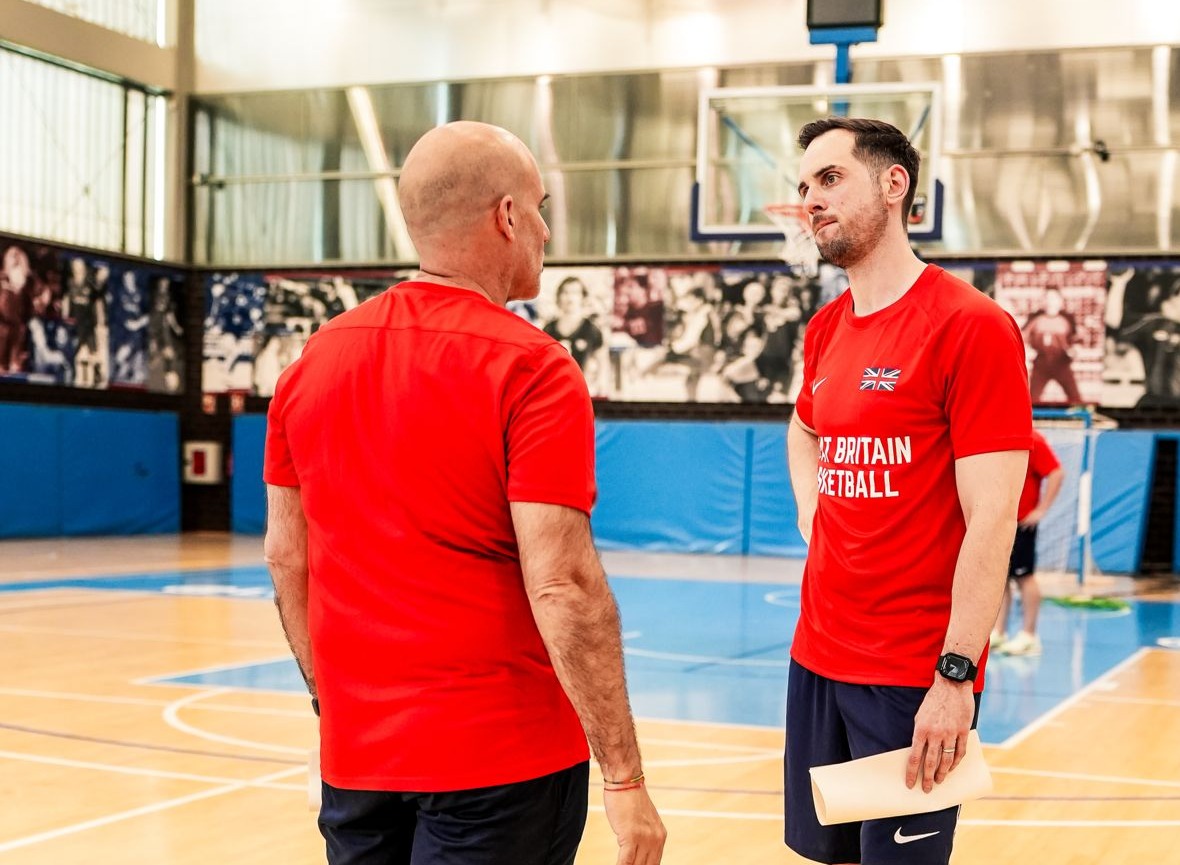
“I felt like I was late to start playing, but early to start coaching,” he said.
“So much so that I was a head coach of a senior team by the time I was 21.
“By my mid-20s I had so many repetitions of running practices, preparing games, adjusting in games.
“That gave me a head start in my journey compared to other coaches.”
But early responsibility also meant early failure — something he now sees as essential to his development.
“I certainly made mistakes as a young coach,” he said.
“Young coaches make mistakes the same way young players do.
“But I was fortunate to be in environments where I could make those mistakes and learn from them.
“I’ve made pretty much every mistake along the way, but also had successes. It’s an ongoing process.”
If there is one theme that runs through Pitkin’s career, it is that learning never stops — especially when it comes to people.
“Your relationships with players and staff are the most critical thing you can have,” he said.
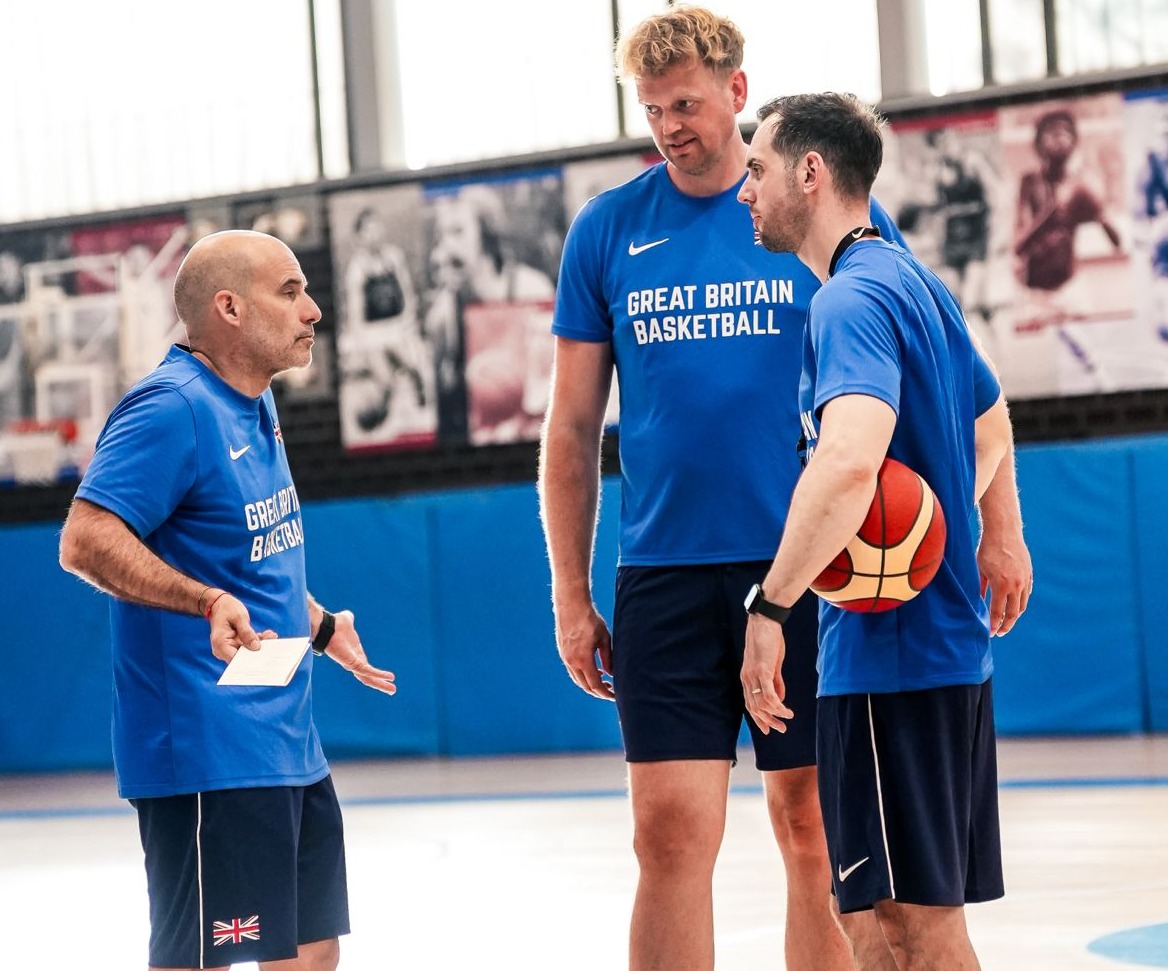
“Understanding how to build those relationships early is probably the most important part of coaching.”
Those lessons were sharpened through formative stops across British basketball.
At the Leicester Riders, he found structure and leadership responsibility as a Head Coach in the women’s programme. In their men’s programme, under long-time head coach Rob Paternostro, he learned how to manage different personalities, expectations and levels of experience within a single group.
“I learned so much at Leicester,” Pitkin said.
“It gave me a platform to develop as a leader, to build rosters, to manage people and understand what kind of coach I wanted to be.
“Working under Rob Paternostro taught me a lot about managing different groups - age, experience, expectation. That was invaluable.”
Later roles in London added another dimension: preparation at a higher level, sharper margins, and more intense demands.
Each step, he says, built something necessary.
But it is his most recent chapter - with Manchester Basketball - that has carried perhaps the most personal meaning.
“The opportunity Manchester have given me is difficult to put into words,” he said.
“They’ve given me room to grow, trust, and an environment that’s allowed me to develop.
“I’ve built a real emotional connection with the city and the people there. I’ve been welcomed with open arms.”
That connection also makes the timing of this GB window particularly significant.
Next week, Pitkin will return to Manchester in a very different role - this time on the national stage - as GB face a crucial World Cup qualifying window.
And alongside him will be one of Manchester’s standout players this season, Tim Adetukasi, who has earned his first senior call-up.
“It means a lot to go back there with Tim involved too,” he said.
“He’s had an amazing season and grown so much.
“To be in Manchester for a home game with GB in my first window… it’s very special and very heartfelt.”
His appointment to the GB staff is something he treats with both pride and perspective.
“I’ve been following GB since around 2010,” he said.
“It’s something I’ve always admired. The players, the coaches, the programme as a whole.
“It’s been a career ambition to be part of it, so I’m very grateful and very humbled to be here.”
 He also credits conversations with head coach Marc Steutel and senior figures like captain Dan Clark for helping shape his integration into the group.
“I’ve been speaking with Marc and Dan about the vision for a while,” he said.
“How I might fit in, how I could help add to what’s already here.
“It’s about supporting that vision and trying to contribute in the best way I can.”
Now, as he steps into one of the most important windows of his career, Pitkin is careful not to overstate the moment - even if he recognises its significance.
Instead, his focus remains rooted in the same principles that brought him here in the first place: process, relationships, and presence.
“If you’d told me this 20 years ago, I wouldn’t have believed it,” he said again.
“But I’ve always just tried to go day by day, keep my feet on the ground, and enjoy the moment.
“Basketball and life are both unpredictable. You just try to stay present and make the most of it.”
Great Britain face Lithuania in Klaipeda on 2 July and Iceland in Manchester on 5 July.
-290626141906.webp)
Related News
-161026092516.webp)
W/EABL Players of the Week (14 Oct 2026)
16 October 2026 5 min read-151026134105.webp)
WNBL D1 Preview (17/18 Oct 2026) - Live Stats, streaming, quotes and more
16 October 2026 3 min read-151026151945.webp)
NBL D1 and NBL National Cup Preview (17/18 Oct 2026) - Live Stats, streaming, quotes and more
16 October 2026 4 min read-151026104904.webp)
Elite Academy Leagues recap (14 Oct 2026)
15 October 2026 4 min read